Our Studies
The KCU Baby Development Lab examines perceptual, cognitive, and social development in the first year of life.
We design our studies based on previous research that has shown babies look longer to something that is new or novel to them. Our studies build upon this fact to determine what a baby ‘knows’ about the world!
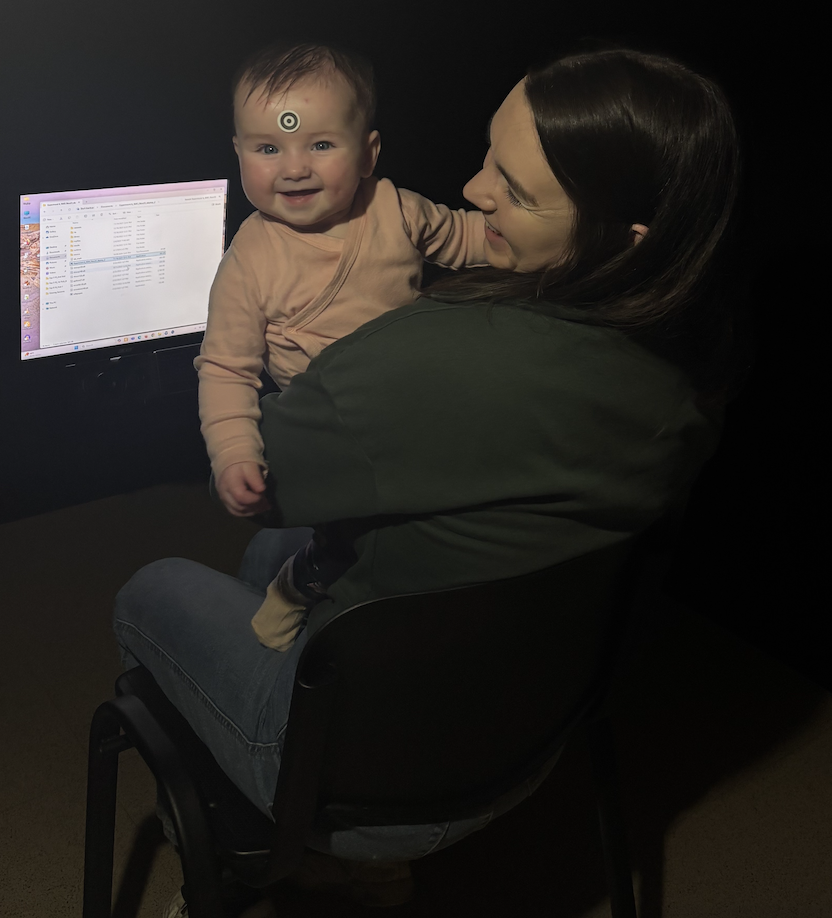
During our appointments, the parent sits with their child on their lap while we show the baby images on a TV monitor. Our specialized equipment and trained researchers will then collect information about a variety of different things, depending on the study- for example, our camera measures exactly where on the screen your child is looking and for how long.
This helps us learn about how a baby’s brain responds to different types of information in the first year of life!
Research Symposium
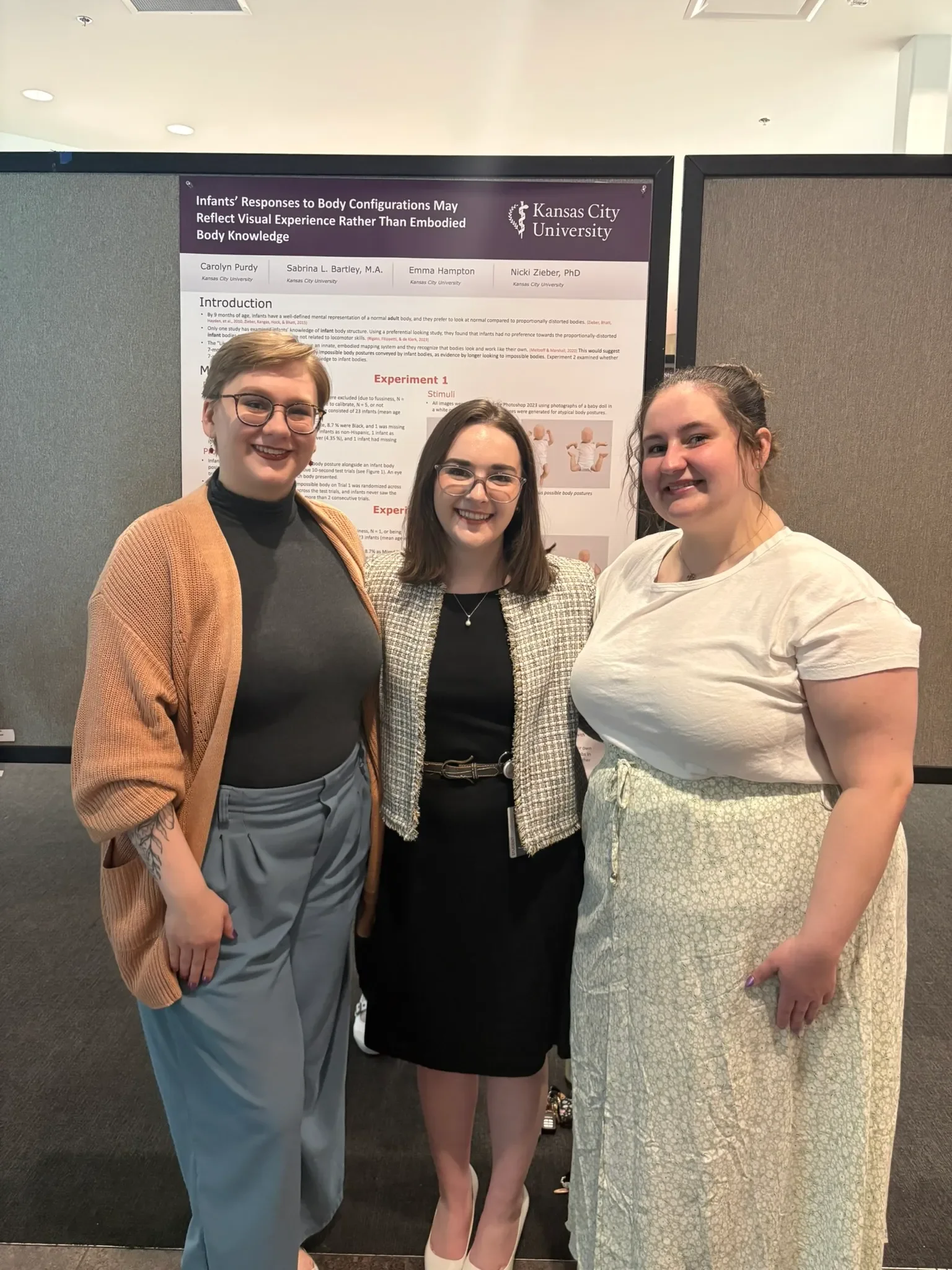
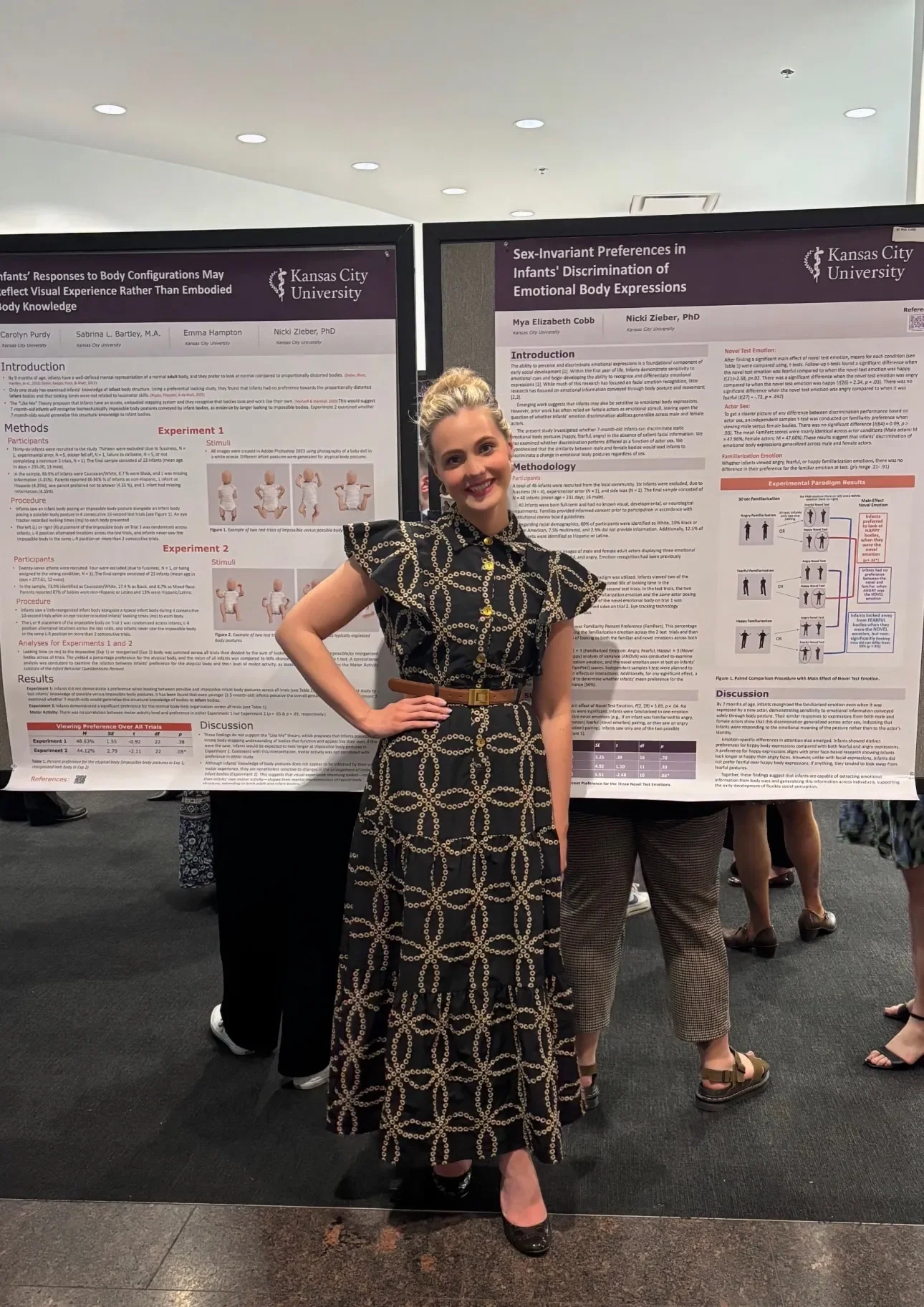
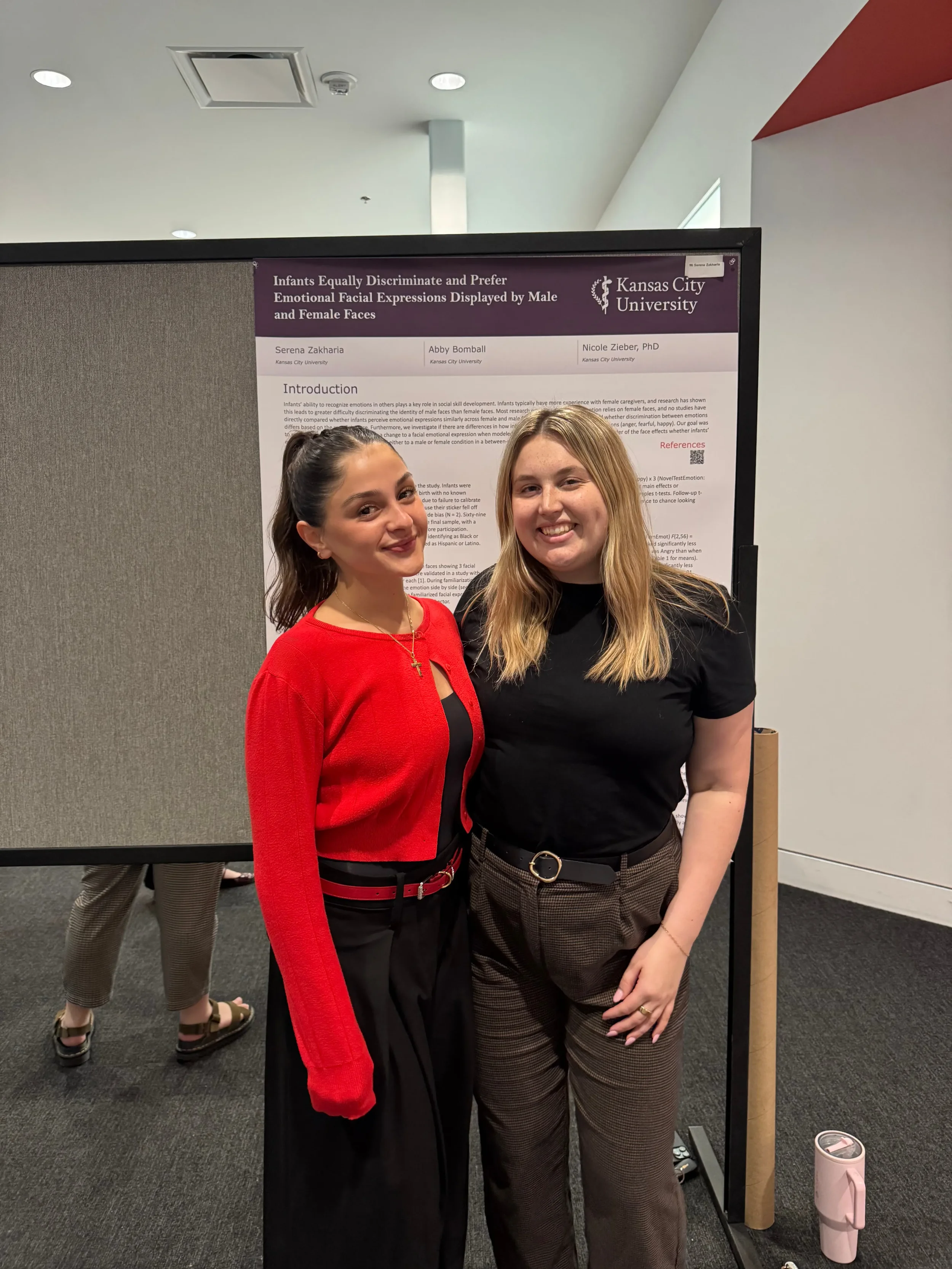
Our lab recently presented posters at the Kansas City University Research Symposium, highlighting our ongoing work in infant development. This experience provided an opportunity to share our research with the academic community, engage in meaningful discussions, and gain valuable feedback. We look forward to continuing to build on this work and advancing our understanding of early development.
Our Studies
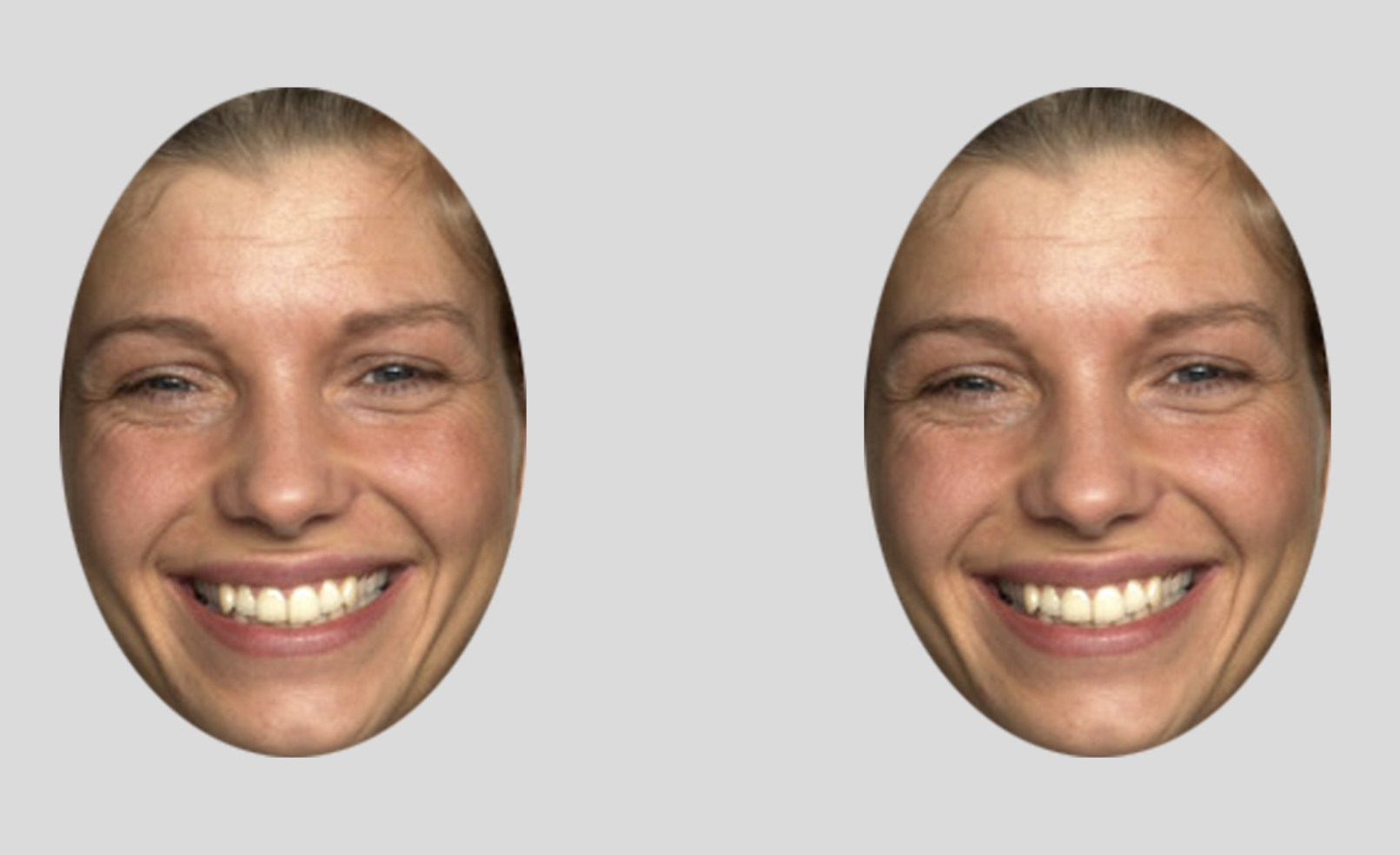
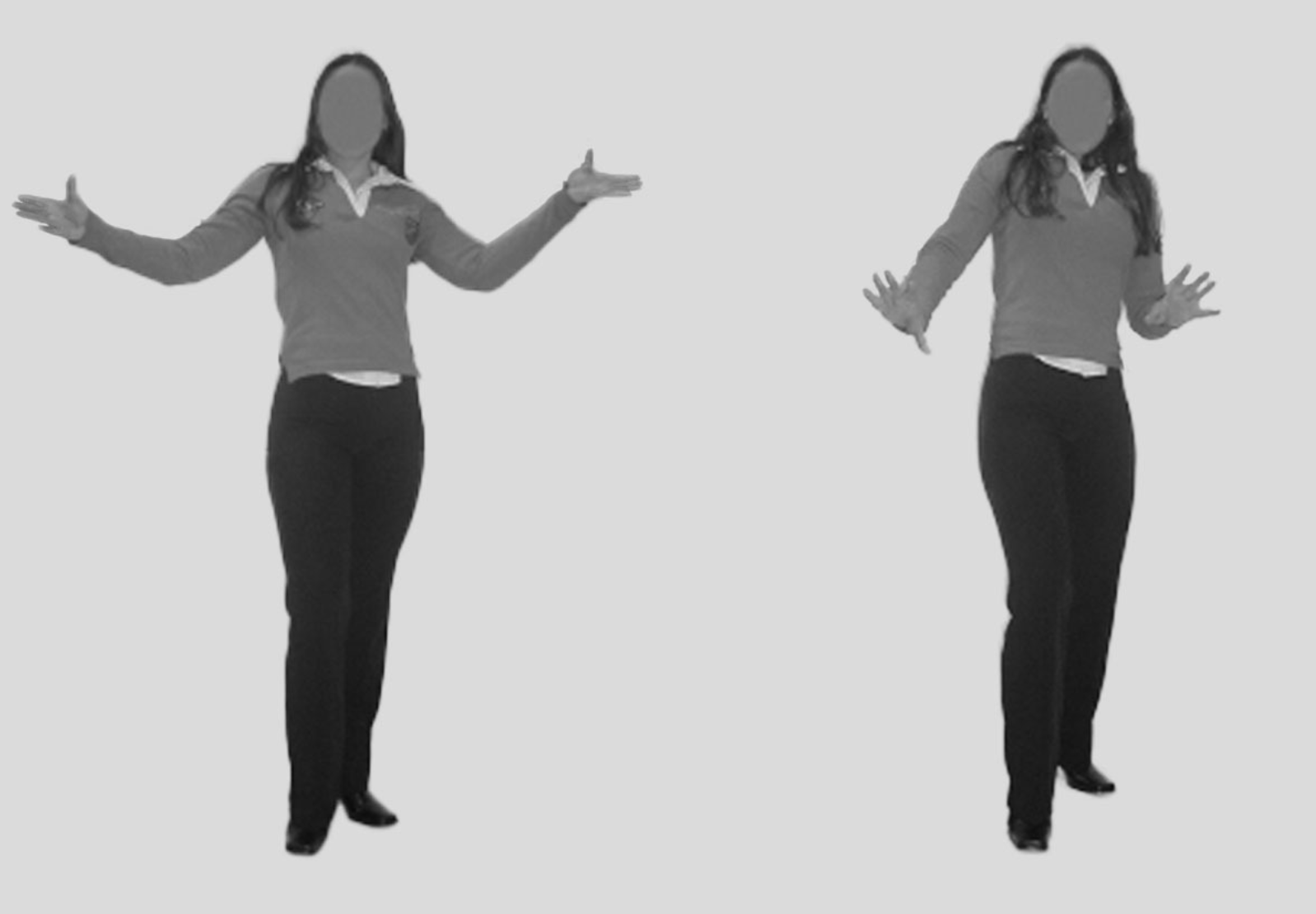
Can Babies Tell the Difference Between Emotional Expressions in Male Versus Female Faces and Bodies?
By the time babies are about 7 months old, they can recognize some basic facial expressions. However, since most babies spend more time with female caregivers, most research on how babies understand facial expressions has used female faces. In our study, we want to find out if babies respond to emotional expressions in the same way when they’re shown on male faces.
Babies can also recognize emotions from body movements by around 6 and a half months old. We are testing whether babies understand emotions shown through body posture differently when the bodies belong to men versus women.
Recruiting Participants: 7-8 months old Infants
Duration of Experiment 6-10 minutes
Location: In-person, Kansas City University
Compensation: $25 in Amazon gift cards
Do Babies Know What Their Bodies Look Like?
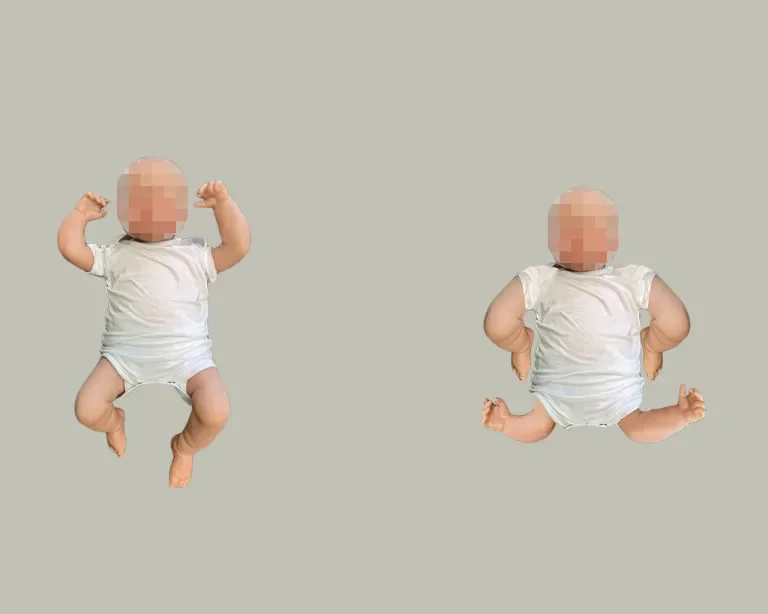
Research has shown that even very young babies understand what adult bodies are supposed to look like. They prefer looking at normal adult bodies instead of ones that are oddly shaped or put together in unusual ways (see images). This makes sense, since babies see adults, especially their parents, all the time.
However, babies don’t see their own bodies in the same way. They can look at parts of themselves, like their hands or feet, but not their whole body. One study found that babies don’t seem to notice when baby bodies are the wrong shape or size.
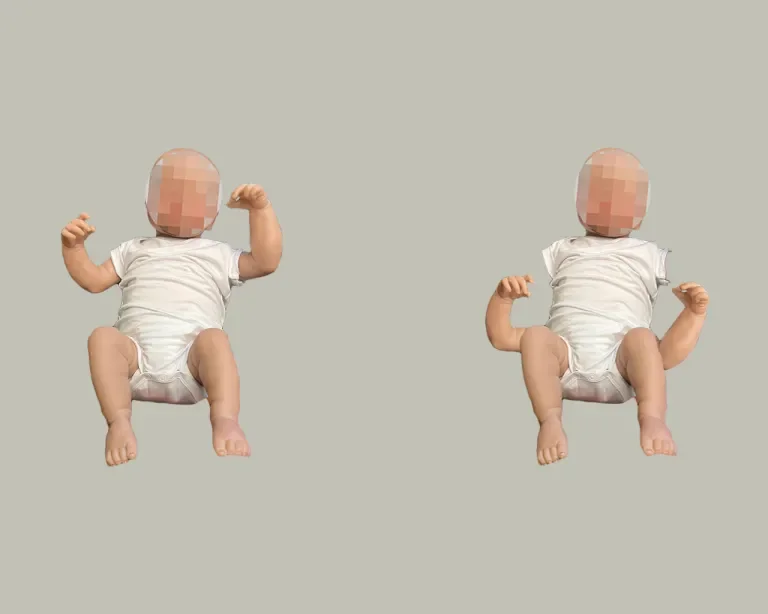
In our study, we wanted to see if babies could tell the difference between baby bodies in possible versus impossible positions, and between normal versus mixed-up baby bodies. We are also collecting information about babies’ motor activity to see if how they move is related to how well they understand baby body shapes.
Recruiting Participants: 7-8 months old Infants
Duration of Experiment 6-10 minutes
Location: In-person, Kansas City University
Compensation: $25 in Amazon gift cards
Does How Quickly Babies Direct Their Attention to Emotional Expressions Relate to Their Later Social Abilities?
We are working on a study with infants who came in at 3, 7, and 12 months and completed an emotion detection task. We are having these same infants come in at 15 months and play while their parent fills out a survey about their social knowledge. We are examining whether attention to emotion earlier in development relates to socioemotional outcomes at 15 months of age.
Participants: No longer recruiting babies